Day 3: Hangovers, Hades and a ferry that shouldn’t legally float
I woke up late. Not fashionably late. Not “we lingered over coffee and made meaningful life choices” late. No—this was the kind of late that comes with dry mouths, questionable memories, and the quiet, mutual understanding that breakfast has been missed and will not be spoken of again. I blame the Raki.
Fine. Screw breakfast. Dalyan is showing off—blue sky, sun blazing like it’s got a personal vendetta. It felt almost obscene to waste it indoors. So we did what any slightly hungover, poorly fuelled tourists would do when faced with that kind of weather: we went looking for an ancient city.
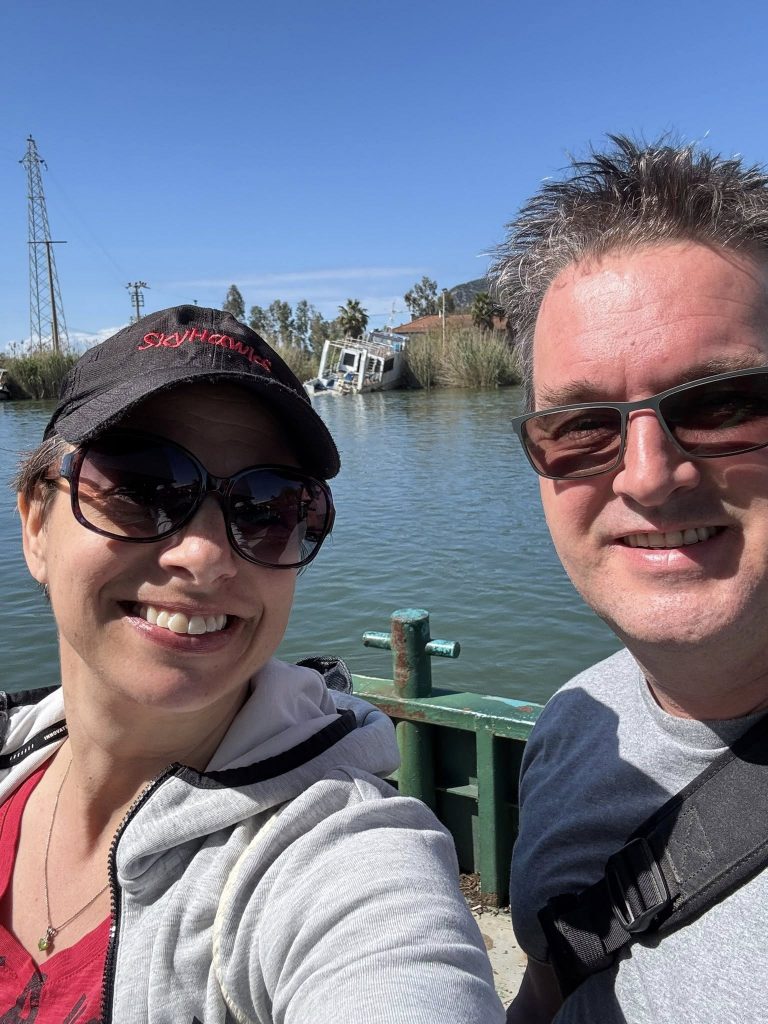
Behind the hotel sat the ferry crossing to Kaunos. Calling it a ferry is generous. It had the general appearance of something that has survived several wars, two questionable repairs, and at least one very poor decision involving welding and rebar. It leans—visibly—when you step on it. When a car drives aboard, the whole thing tilts at an angle that suggests gravity is more of a suggestion than a rule.
And yet, like all bad ideas you go with it. Because apparently survival instincts are optional on holiday.
The crossing was short but eventful in the way that makes you quietly rehearse your obituary. And then, just like that, you make it across. Alive, mildly exhilarated, and wondering why this feels more satisfying than it should.
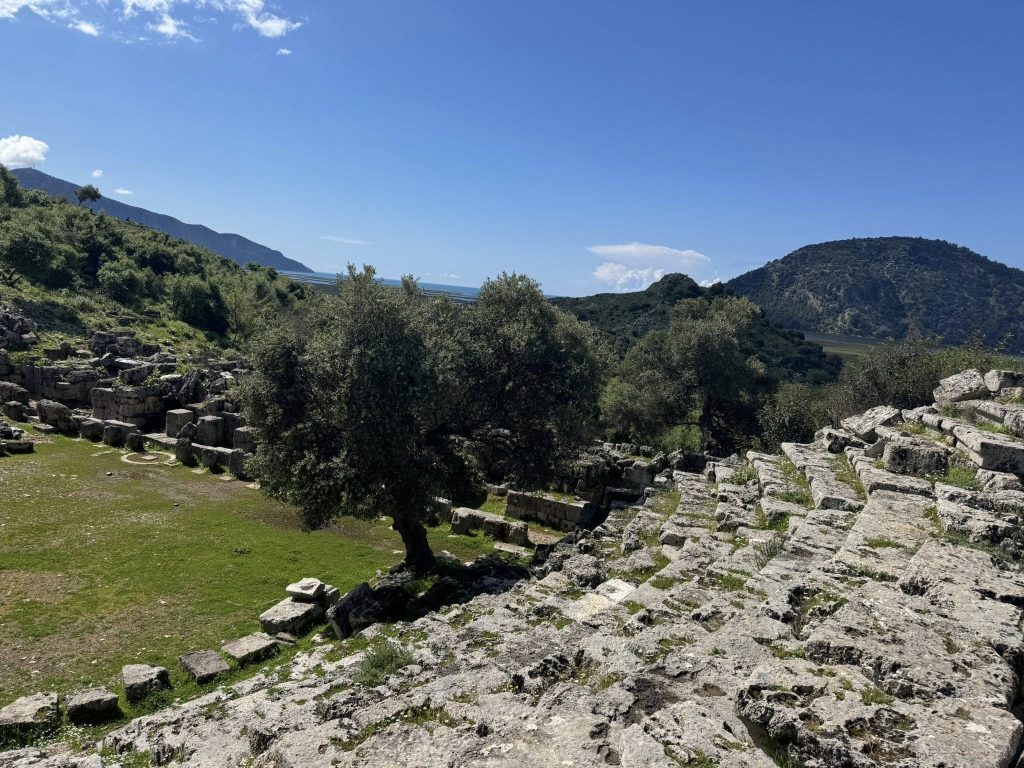
A couple of kilometres’ walk, the landscape opened up, and then suddenly we were standing in something that once mattered—a city that had purpose, rhythm, people who got up in the morning and did things far more productive than debating whether or not to have a second (or in my case third) cocktail before lunch.
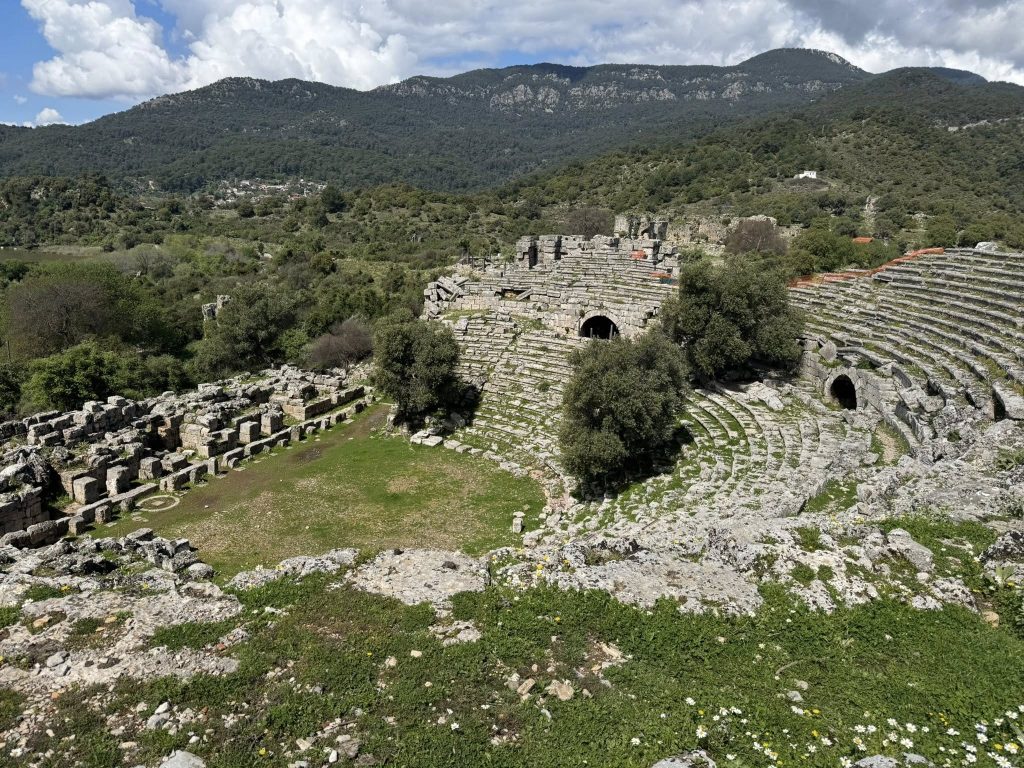
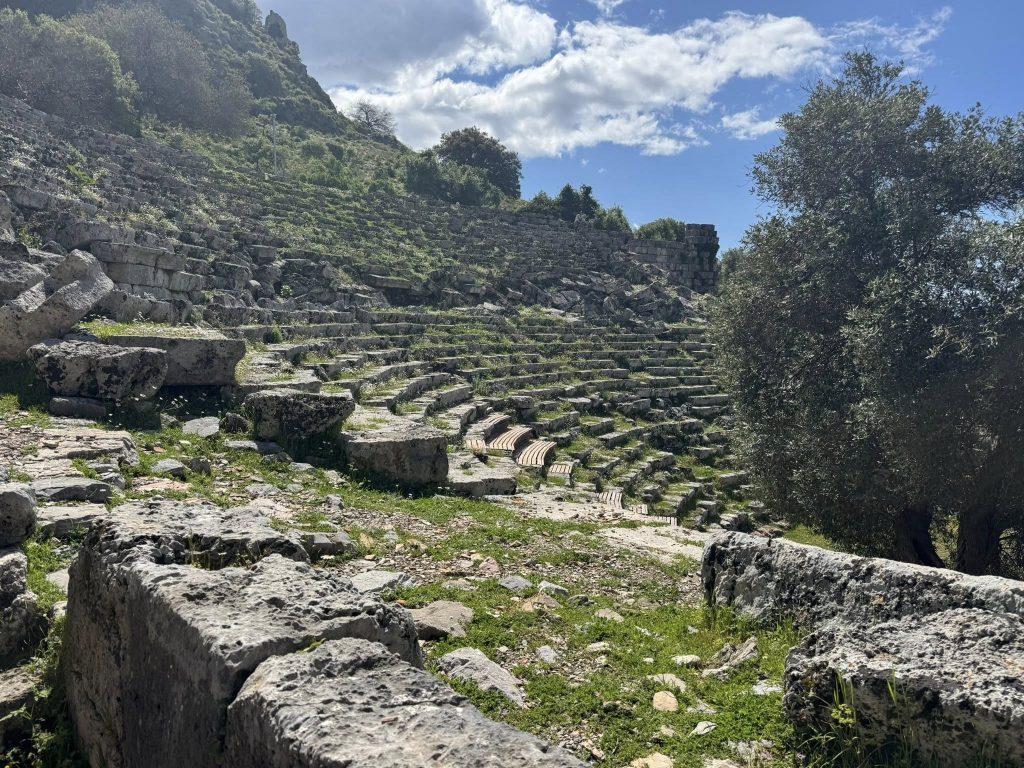
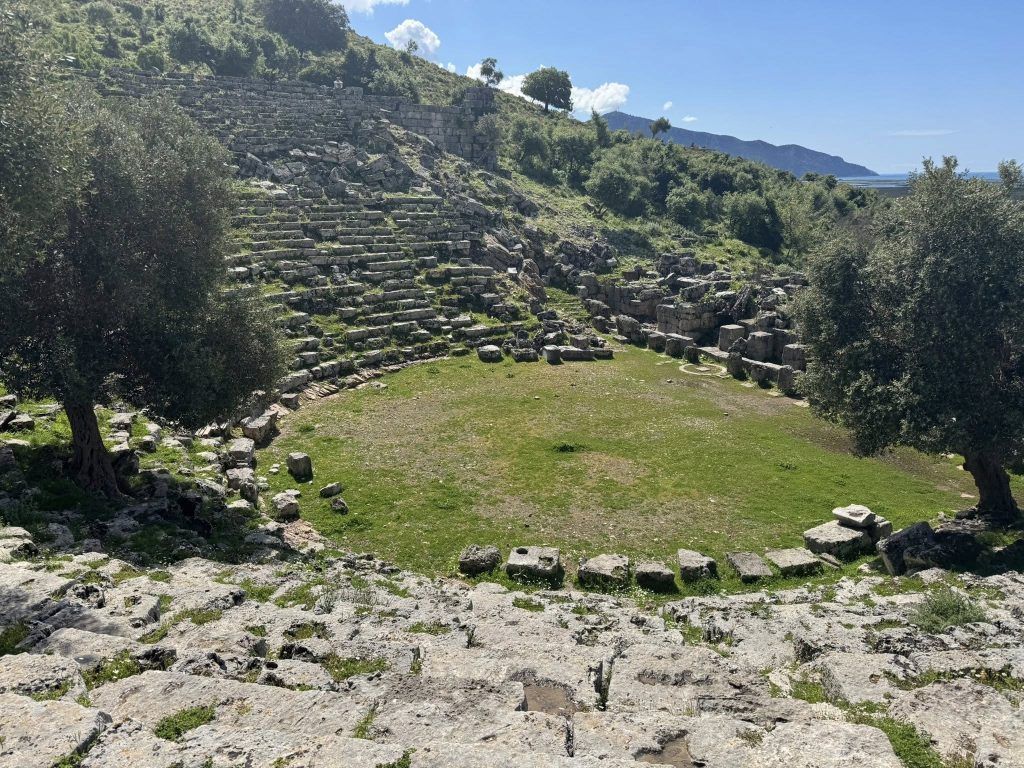
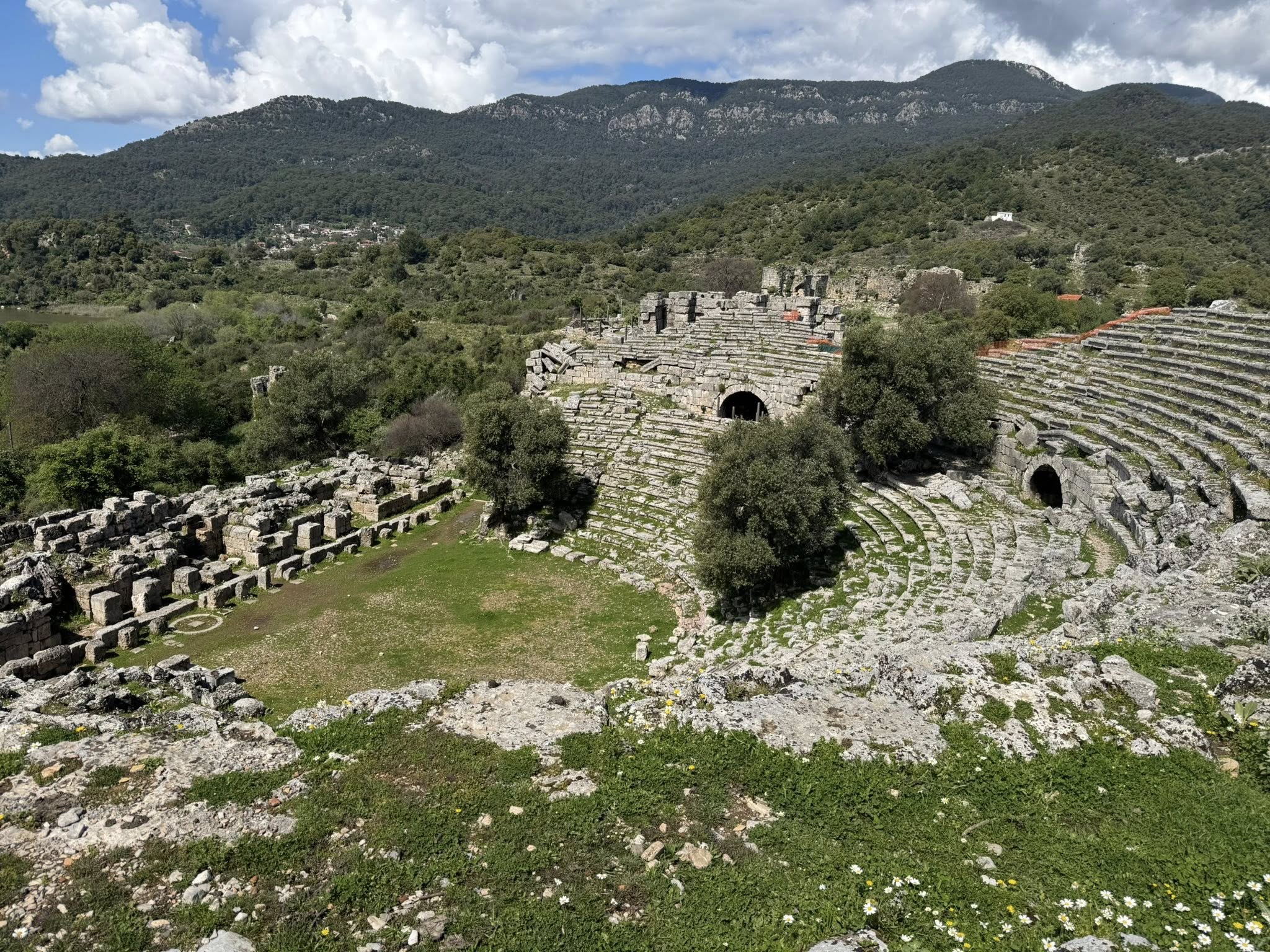
There’s a theatre carved into the hillside, seating five thousand people. Five thousand. It was impossible not to stand there and picture it—voices carrying, bodies packed together, the hum of something communal and important. No microphones. No screens. Just sound, stone, and human attention. I dared Andy to sing some Pink Floyd in the middle of the thing – alas he not so politely declined.
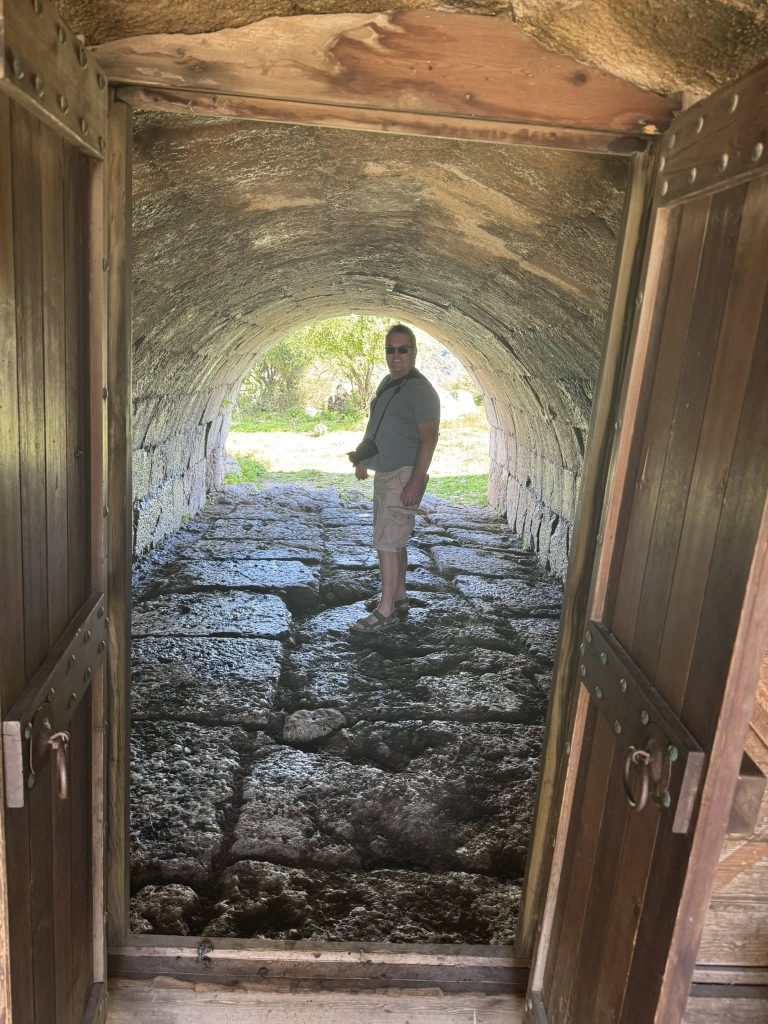
Around it, the remains of churches, a basilica, fragments of temples. Nothing polished. Nothing curated. Just pieces of history left where they fell, quietly refusing to explain themselves.
And then, as if history wasn’t enough, nature decided to get involved.
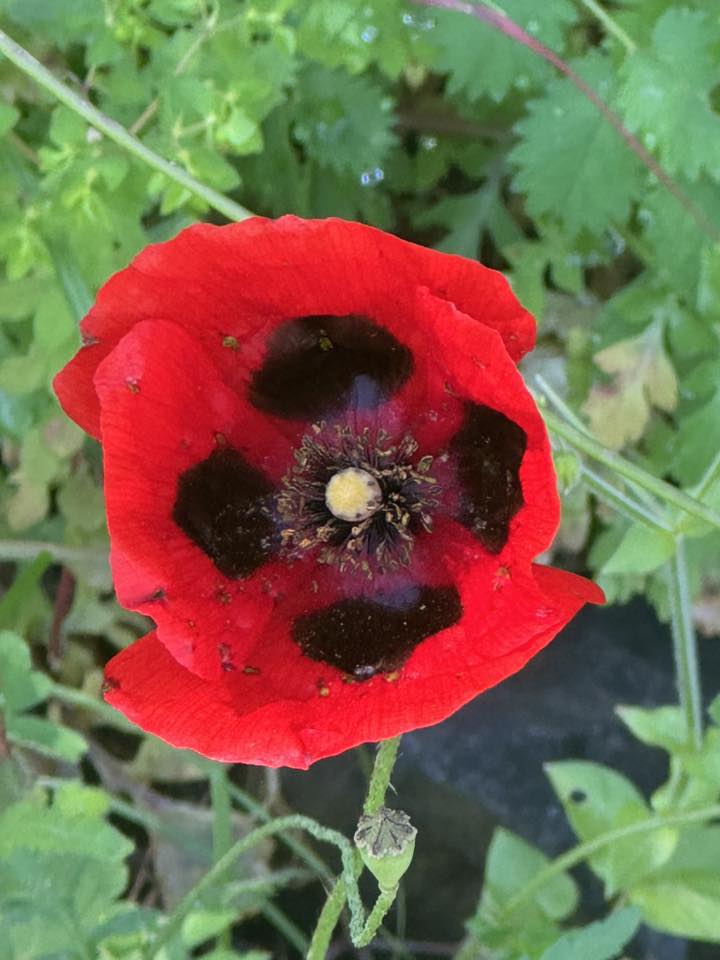
The poppies were the first thing that hit us. Not soft, polite flowers, but these deep, unapologetic reds that look almost too vivid to be real. They catch your eye in bursts—little flashes of intensity against the dry landscape—like nature couldn’t resist adding a bit of drama to the scene.
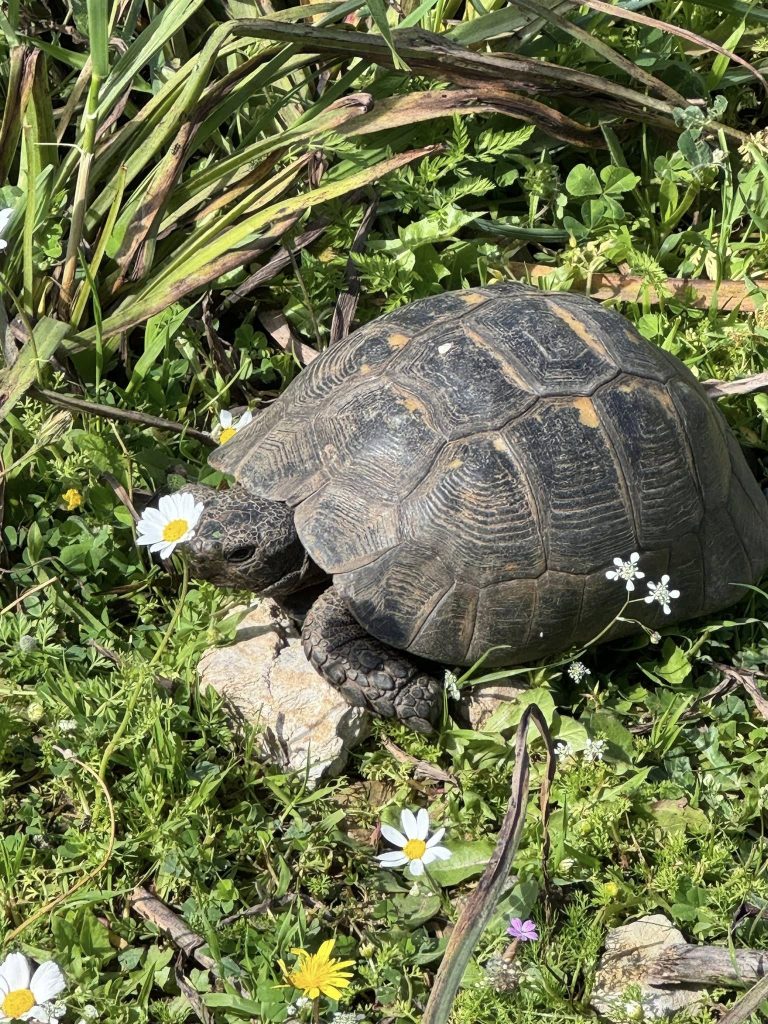
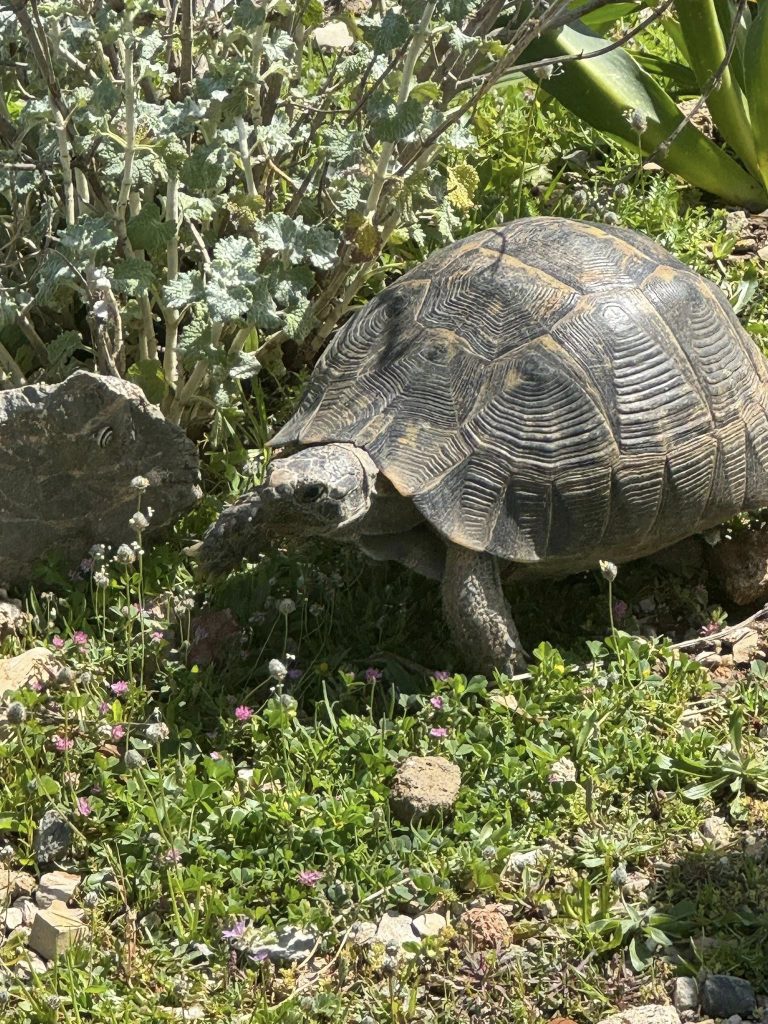
Then the tortoises.
They were everywhere. Unbothered, unhurried, moving with the kind of confidence that comes from having absolutely no expectations placed upon you. One of them, in what can only be described as a gross misjudgment of personal space, wandered up behind me while I was distracted—taking in the view, pretending to be thoughtful—and brushed against the back of my leg.
It was a brief moment. Entirely harmless.
And yet I nearly left my body, my soul beelining it to the tombs. Scared the bloody bejeezus out of me! Screamed like a little girl and almost peed my pants.
The tortoise carried on, unimpressed. I, on the other hand, needed a moment to reassemble my dignity.
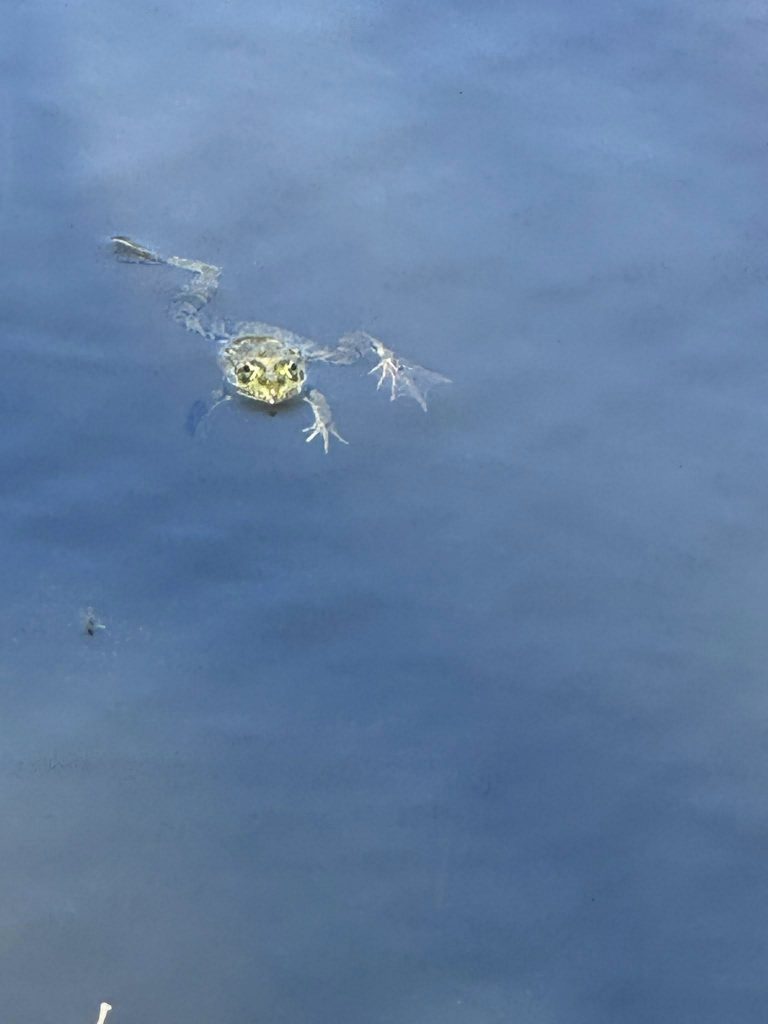
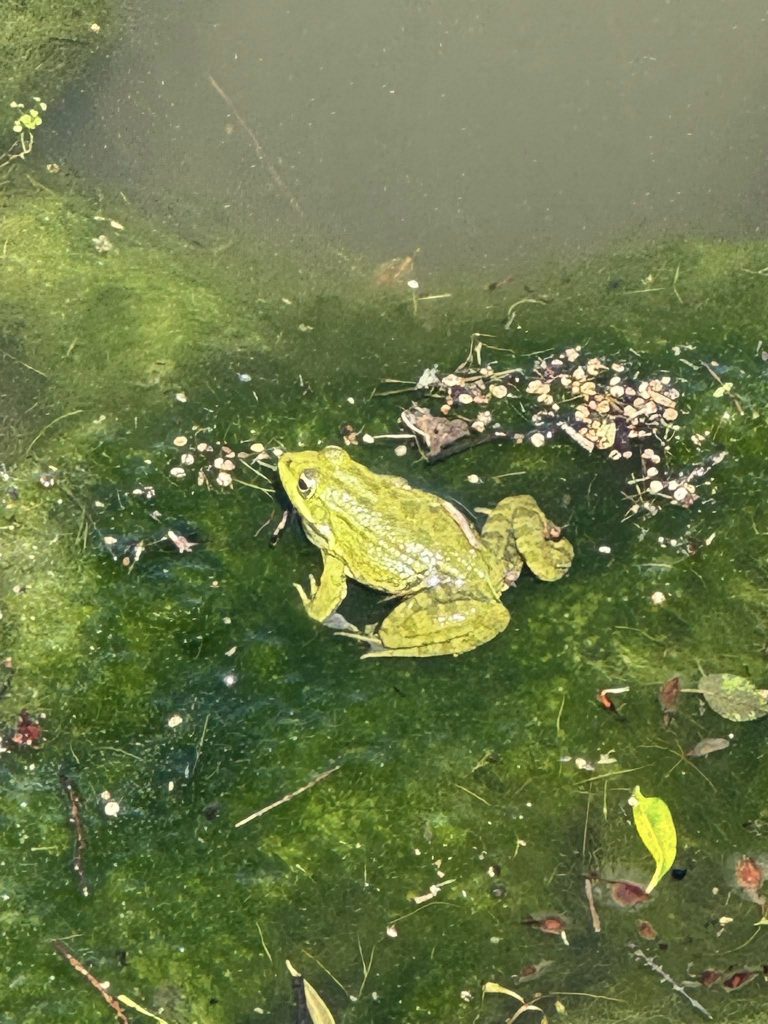
Further down, the basilica offered something else entirely. Not silence, as you might expect, but sound – sound that could only be described as a full-blown amphibian rave.
Frogs.
Hundreds of them.
Croaking like they’ve just signed a record deal and you’re the lucky audience. Their voices overlapping into something that felt less like noise and more like composition. A low, rhythmic chorus that filled the space in a way that was oddly calming. We sat, we listened, and for a moment everything slowed down. No rush, no urgency—just this strange, perfect soundtrack to a place that has outlived everything that built it.
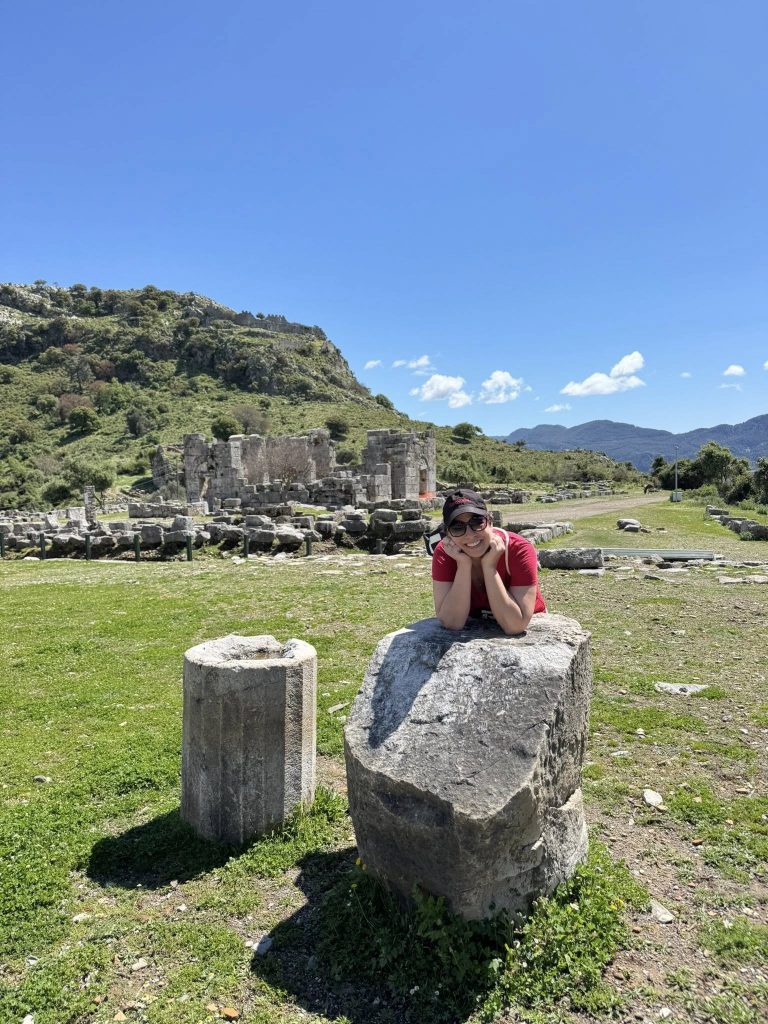
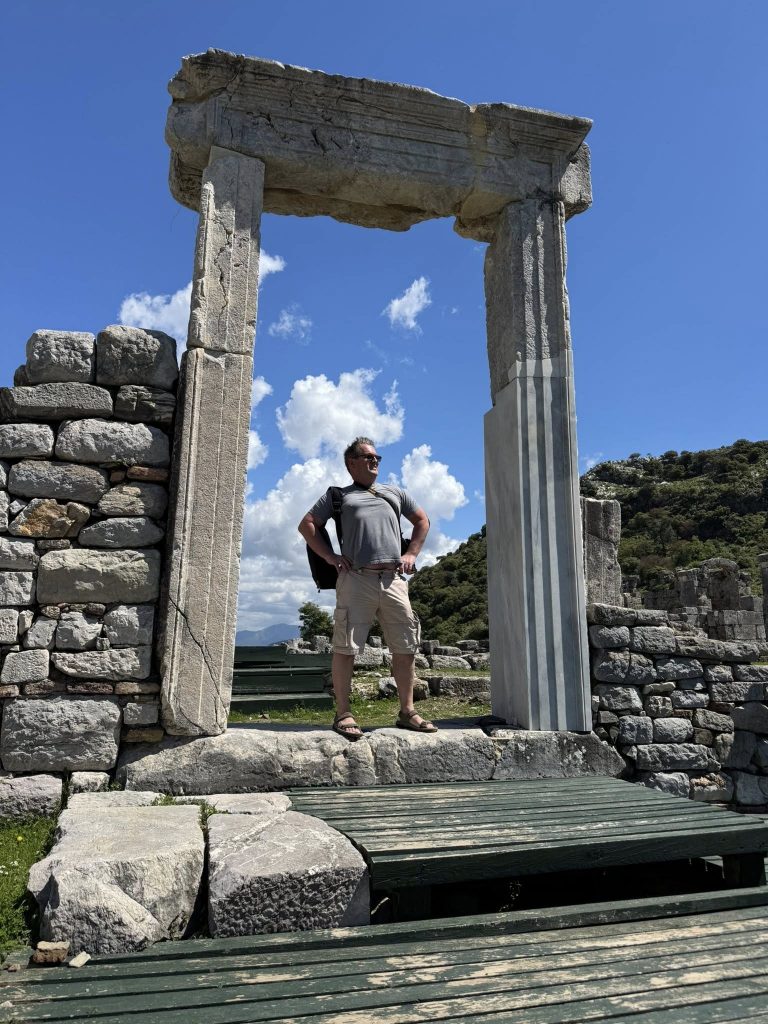
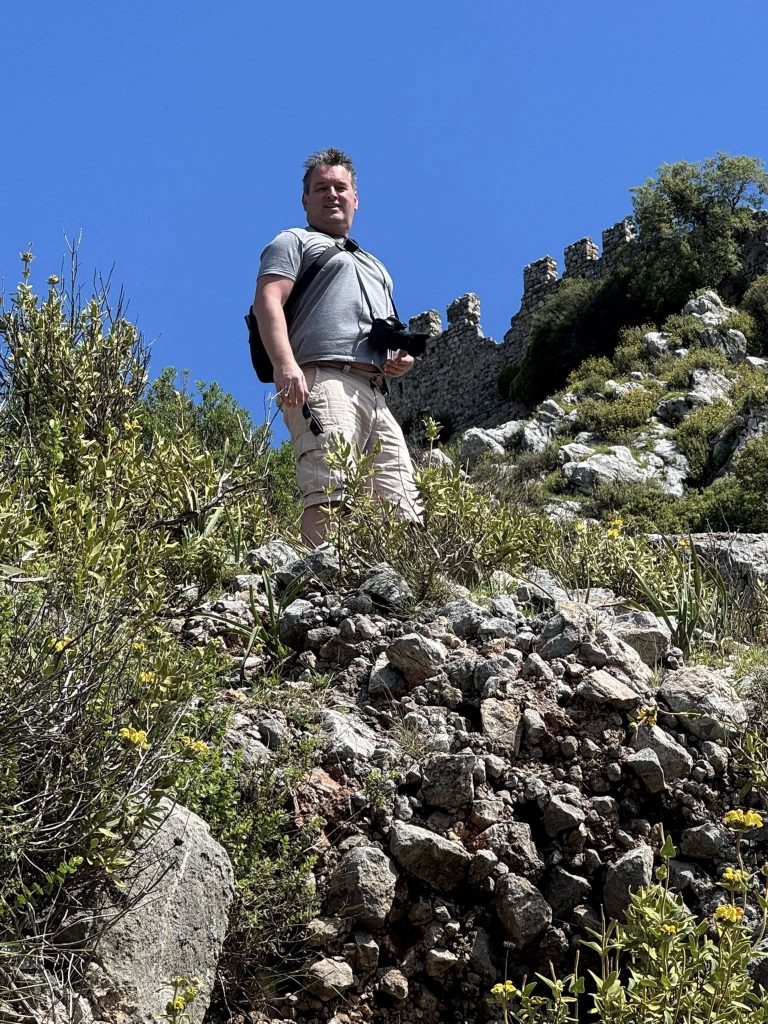
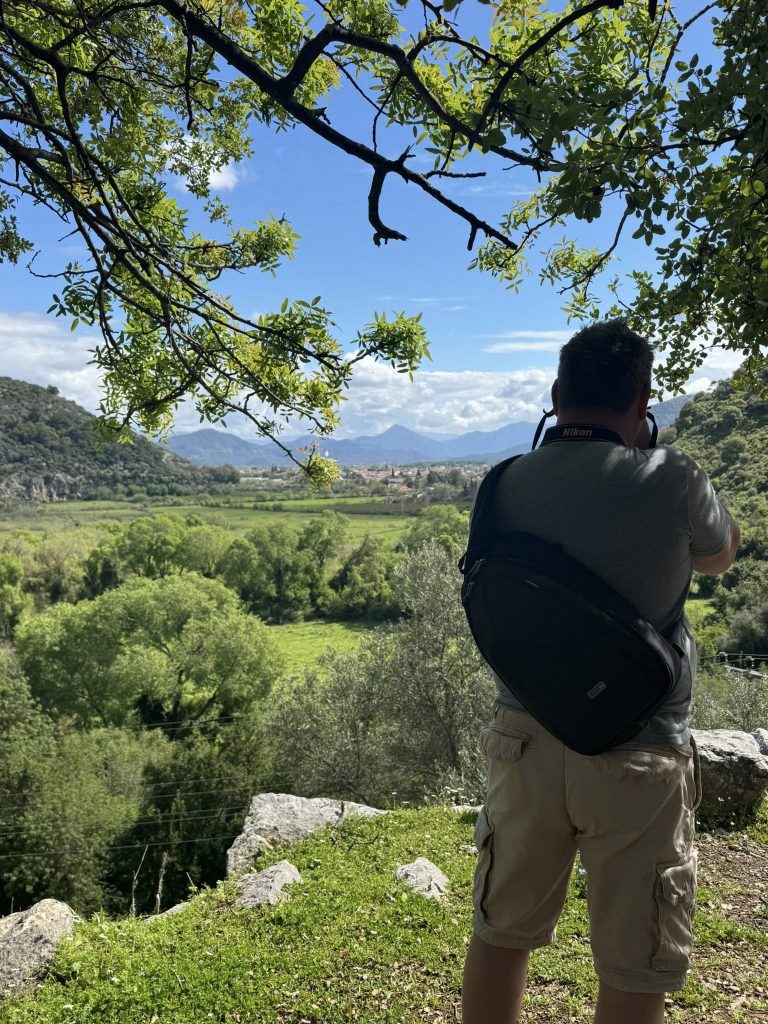
Naturally, this is also where we decided to take photos—leaning casually against ancient stone, striking poses that were, in hindsight, entirely unnecessary and only slightly less ridiculous than they felt at the time. There is something about ruins that invites that kind of behaviour. As if proximity to history somehow makes you more interesting.
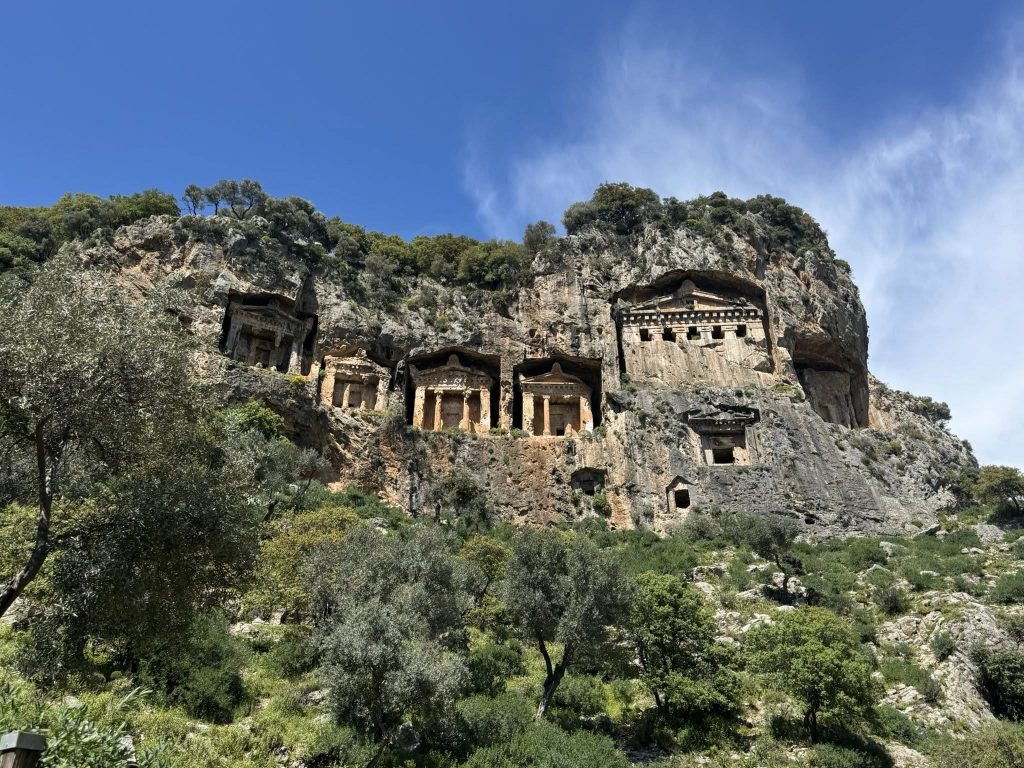
From there, we made our way to the tombs of Caunus.
Cut high into the rock face, they dominate the landscape in a way that feels both deliberate and deeply human. The belief was simple: place the dead closer to the sky so that winged creatures could carry their souls more easily to the afterlife. It’s the kind of logic that makes modern thinking feel almost disappointingly practical. A willingness to believe in something bigger, stranger, more imaginative than ourselves. Which is either beautifully poetic or completely unhinged. Possibly both.
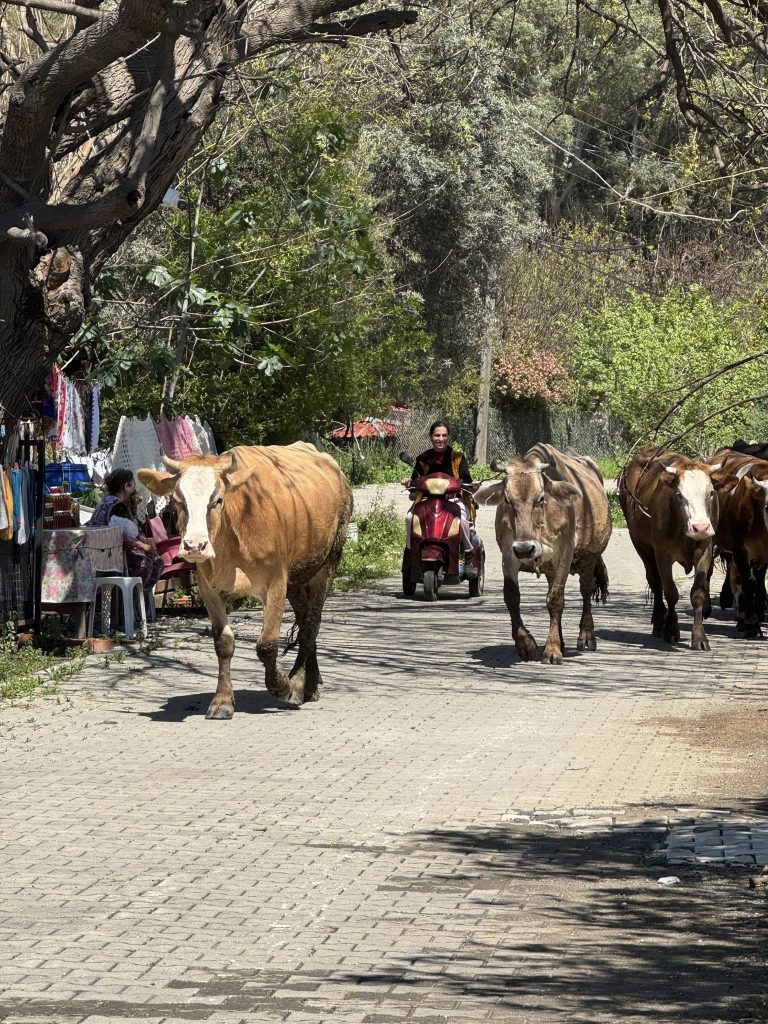
On the walk back, we found a street vendor selling homemade goods. Orange honey—thick, fragrant, intensely floral—and freshly pressed pomegranate juice. It was sharp, sweet, impossibly refreshing. The kind of drink that makes you pause, if only briefly, and acknowledge that sometimes the simplest things are the ones that land hardest.
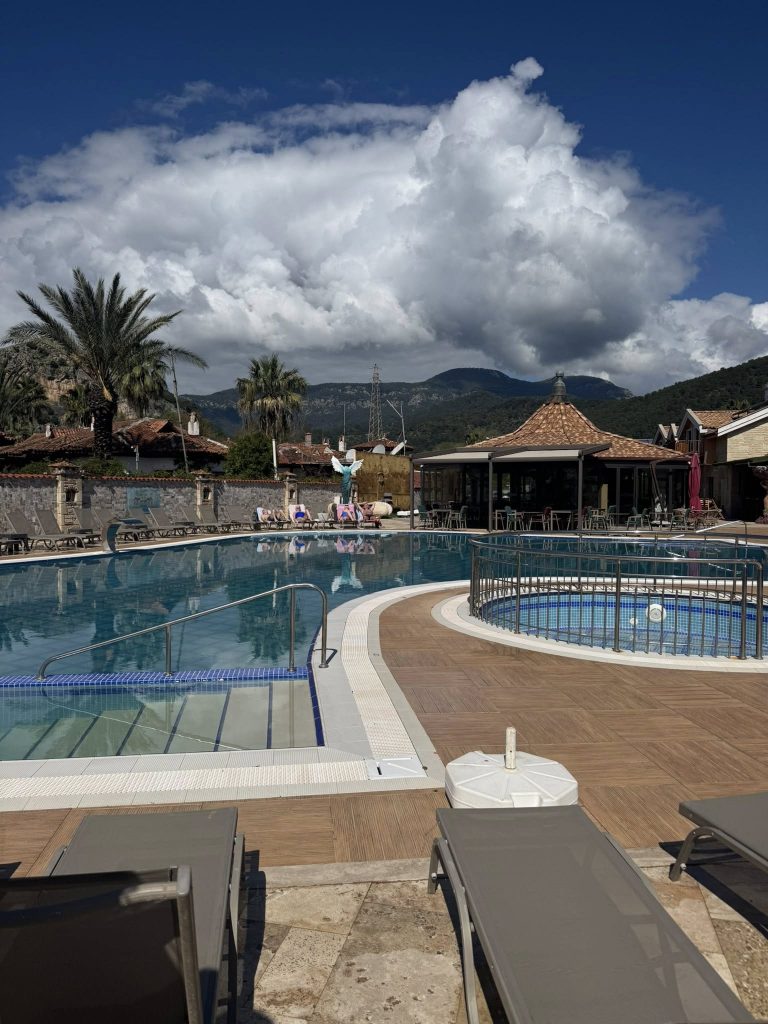
Back at the hotel, after another crossing on the same deeply questionable vessel—somehow more alarming on the return—we did what any sensible people would do with access to both vodka and that pomegranate juice.
We upgraded.
The bartender— an absolute legend — patient, skilled, and clearly accustomed to dealing with people like us, mixed it without fuss. It was good. Too good. Clean, bright, dangerously drinkable. I had two.
I then decided to pitch him what can only be described as a war crime disguised as a cocktail… rather an entirely unnecessary escalation into dessert territory.
“Right—vodka, pomegranate juice, whipped cream, glaze drizzle, a bit of those seeds—make it fancy. Call it after yourself.”
He stared at me.
“My mother would kill me.”
And that was the end of that. Humph.
The afternoon dissolved into a siesta, the kind that arrives unannounced and takes you completely under. This time I blame the vodka and pomegranate. When I woke up, the sky shifted. The blue replaced by heavy clouds, the air thick, expectant. And then it broke—thunder rolling in, lightning splitting the sky, rain coming down with the kind of intensity that makes you grateful for solid walls and good timing.
It was the sort of rain that doesn’t invite discussion. There would be no strolling into town, no romantic dash between doorways. This was biblical, theatrical, borderline personal. So we did the only sensible thing left to us—we parked our asses at the bar and ordered drinks with the quiet determination of people willing to wait out whatever the sky was throwing at us.
And then, unexpectedly, the day shifted.
We met a lovely lady—travelling alone—on her first trip back to a place she and her husband had once loved together. He was gone now. The kind of loss that sits quietly but fills the room all the same. She spoke about him not with drama, but with a kind of steady, practiced grace that suggested she was learning how to carry it, one day at a time.
There’s something about travel that does this—it cracks you open just enough to let strangers in.
We shared a drink. Then another. A few stories. A few silences. At one point, a couple of tears that arrived without permission. Nothing heavy-handed, nothing forced—just a moment of real, unpolished human connection in the middle of a storm that felt, briefly, like it had a purpose.
She was brave. And quietly extraordinary.
Eventually, the rain eased, the sky softened, and we parted ways—wishing each other well in that slightly awkward, deeply sincere way strangers do when they’ve shared something that matters.
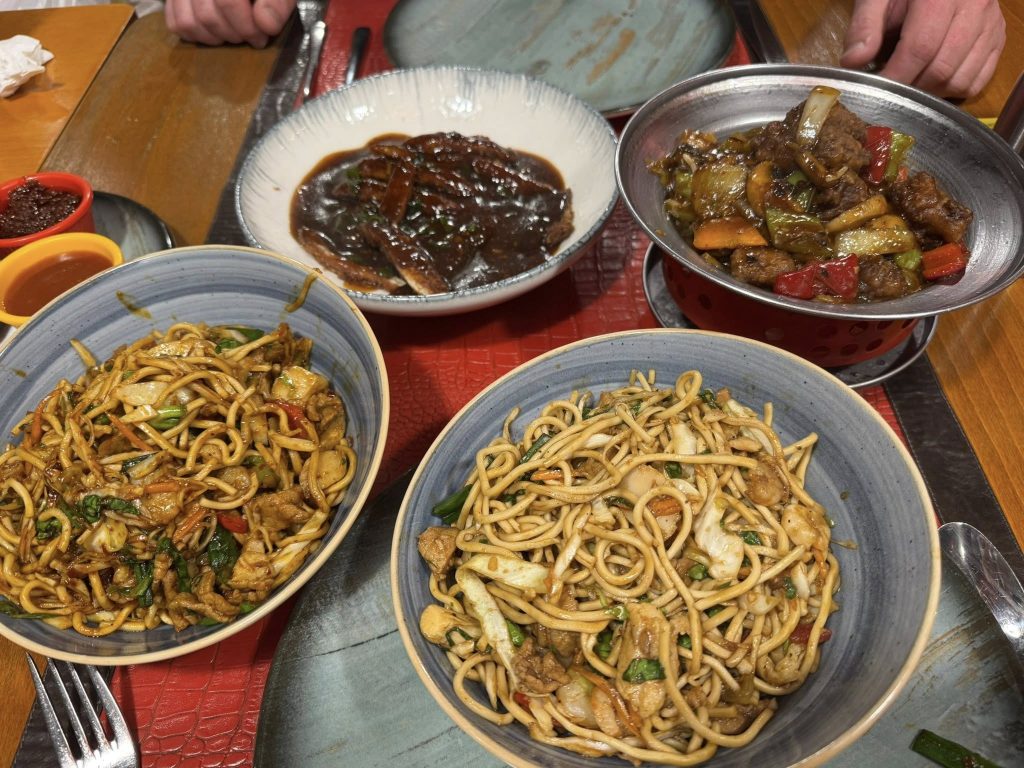
Dinner was an exercise in managed expectations. China Town Restaurant. A name that suggests ambition, if not necessarily execution. The menu was broad—too broad—stretching across cuisines in a way that usually signals trouble. Big menu. Indian-Chinese fusion. This is usually where hope goes to die. You’re fully prepared for oily disappointment and regret.
We went in fully prepared for mediocrity. Possibly worse.
What arrived instead was… good. Genuinely, unexpectedly good.
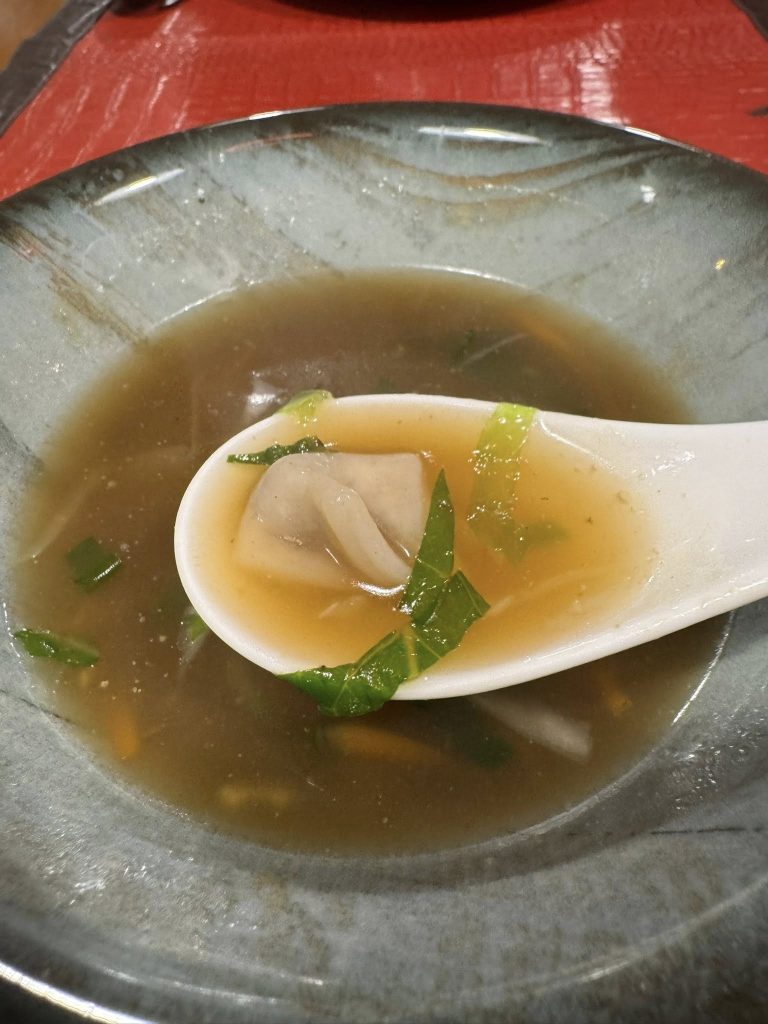
Noodles cooked properly, with bite and balance. Wonton soup that was warm and comforting without being heavy. Crispy spicy chicken that delivered exactly what it promised—no more, no less. And Manchurian beef that, against all odds, worked. Just solid food that quietly tells you to shut up and enjoy it.
We walked back through Dalyan full, slightly tired, and quietly satisfied, contemplating the day.
17,000 steps.
One near-death ferry ride (twice).
One tortoise-induced cardiac event.
A frog concert.
A cocktail that should never exist.
Tears with a stranger.
And somehow—against all odds—another perfect day.
Tomorrow, we said, would be more relaxed.
But then again, we’d said that yesterday too. Fucking liars we are.